SEOforGPT features
Everything you need to win
visibility in AI answers.
Track AI visibility, find competitor gaps, create AI-ready content, publish to your blog, and report results across ChatGPT, Claude, Perplexity, and Gemini.
For agencies, SEO consultants, and brands managing AI visibility.
Free AI SEO Audit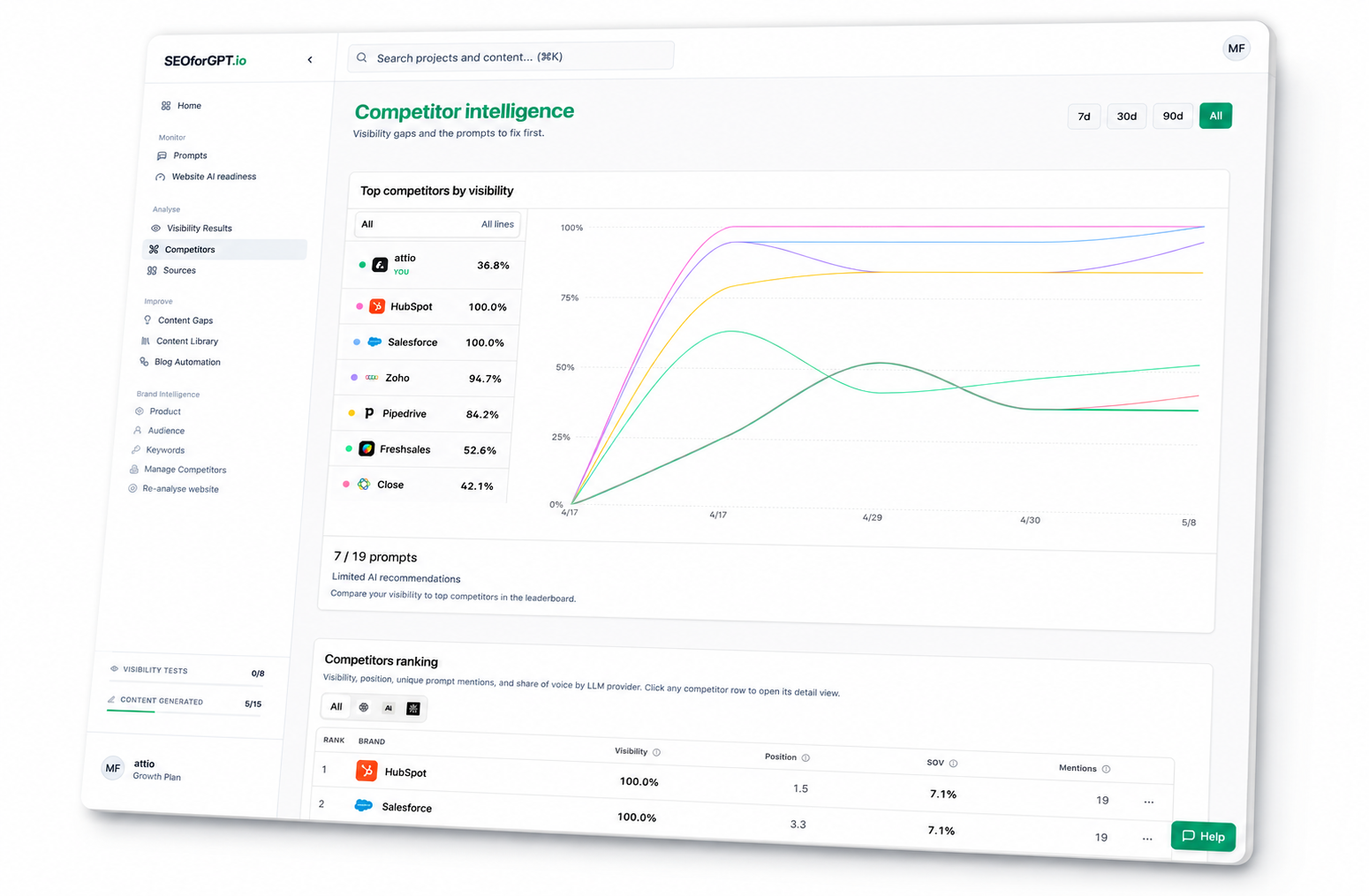
What the platform covers
Use it for one brand or many client workspaces. Each workspace keeps its own prompts, competitors, content, and reports.
Not in the answer?
Not in the deal.
See where AI sends your buyers
Track whether your brand appears when buyers ask ChatGPT, Claude, Perplexity, and Gemini for recommendations. See the exact answers, rankings, and competitors behind each visibility score.
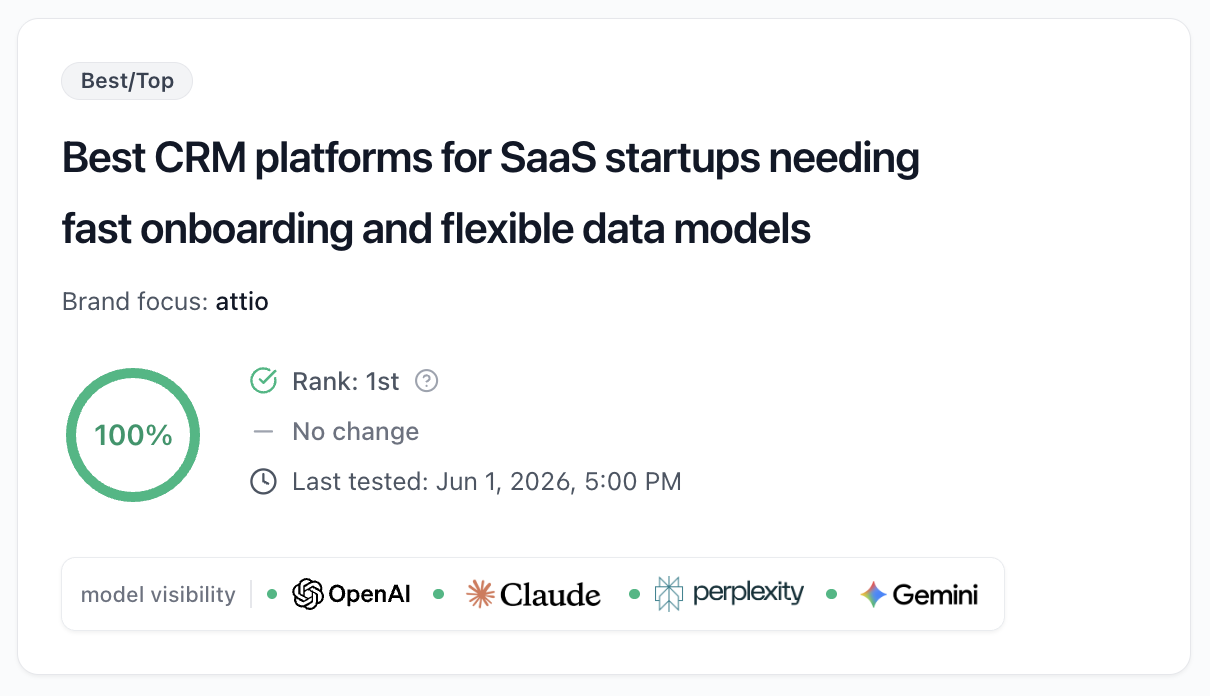
Track buyer prompts, not generic keywords
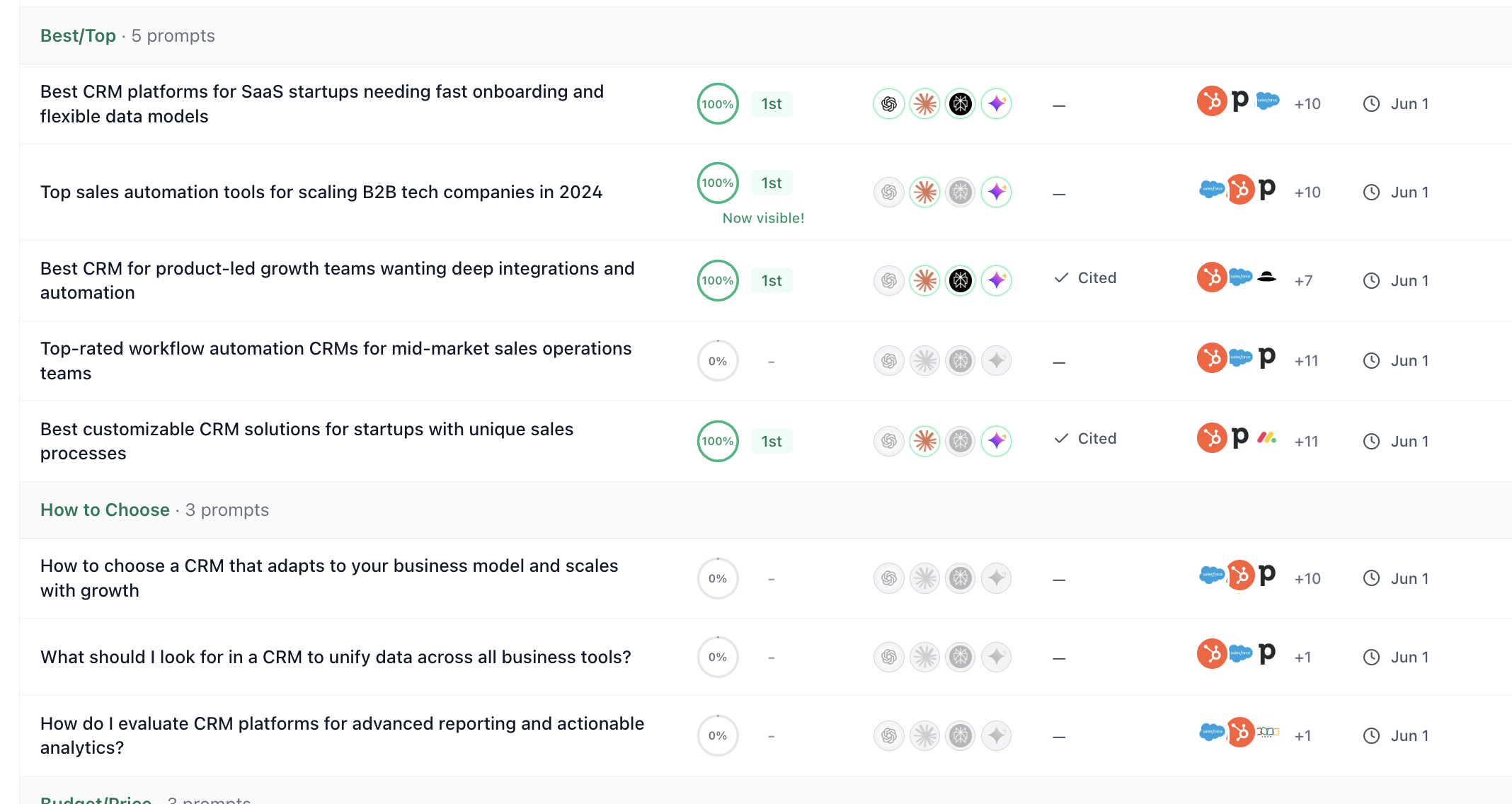
Monitor the recommendation questions buyers ask when they want a shortlist. SEOforGPT groups prompts by category, visibility, rank, and cited sources so you can see where your brand is included, missing, or losing ground.
Deploy agents that keep AI visibility moving
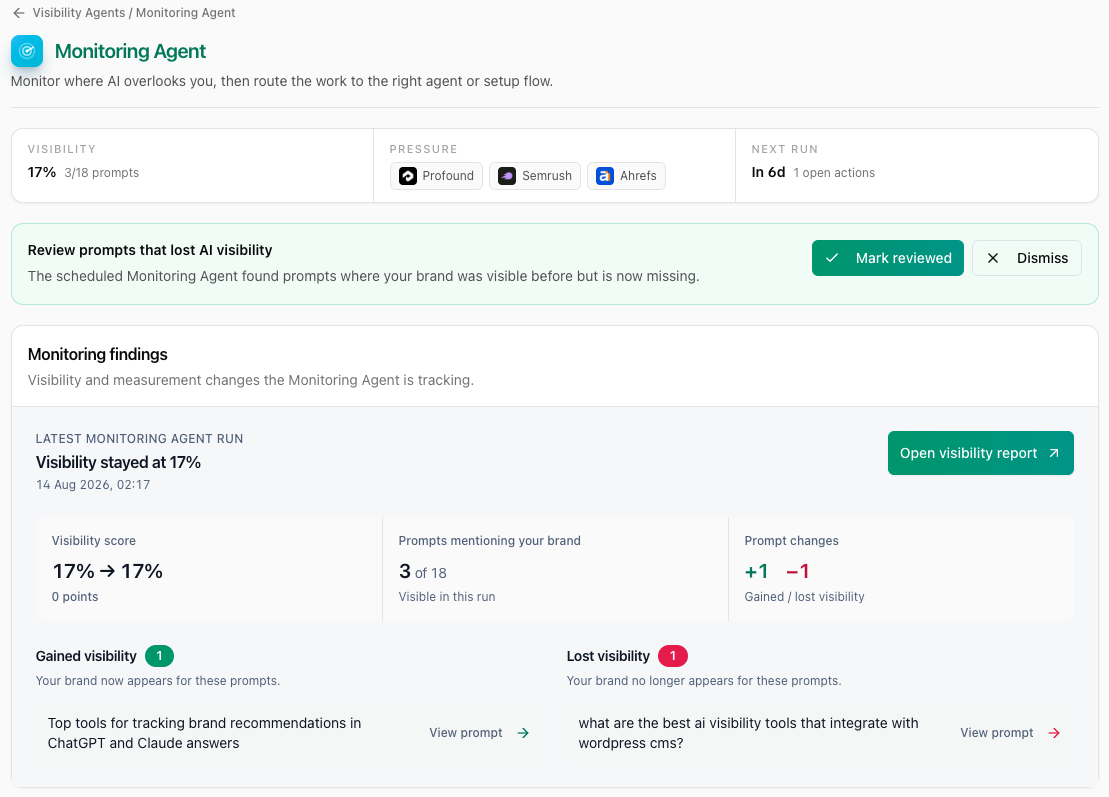
AI Visibility Agents monitor changes, find the next gaps to fix, prepare content work, and surface Reddit or outreach opportunities for review. Your team gets prepared actions instead of another dashboard to check.
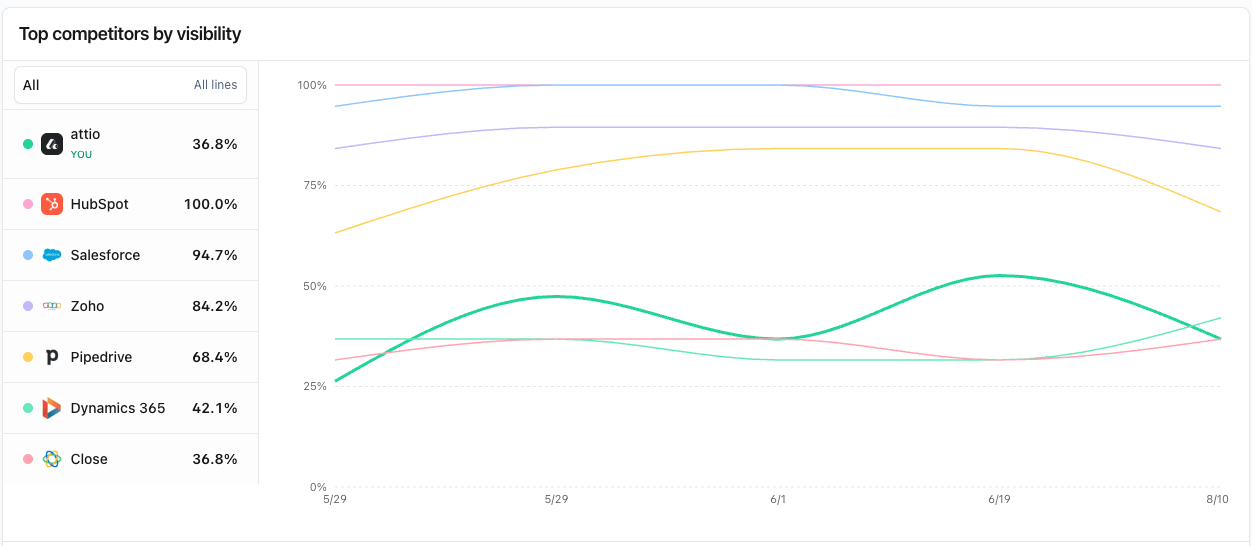
Know who AI recommends instead of you
See the brands AI assistants mention when buyers ask about your category. Track share of voice over time, break it down by model, and open the prompts where competitors are taking the shortlist position you want.
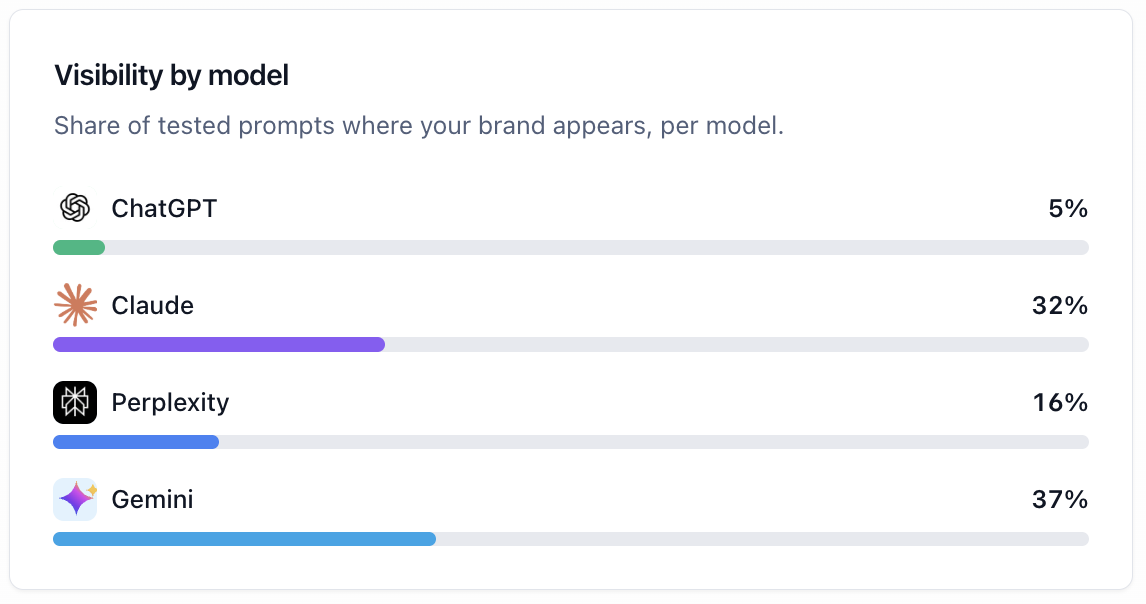
Compare visibility by AI model
ChatGPT, Claude, Perplexity, and Gemini do not recommend the same brands or cite the same sources. Model-level reporting shows where you are winning, where you are absent, and which assistant needs different work.
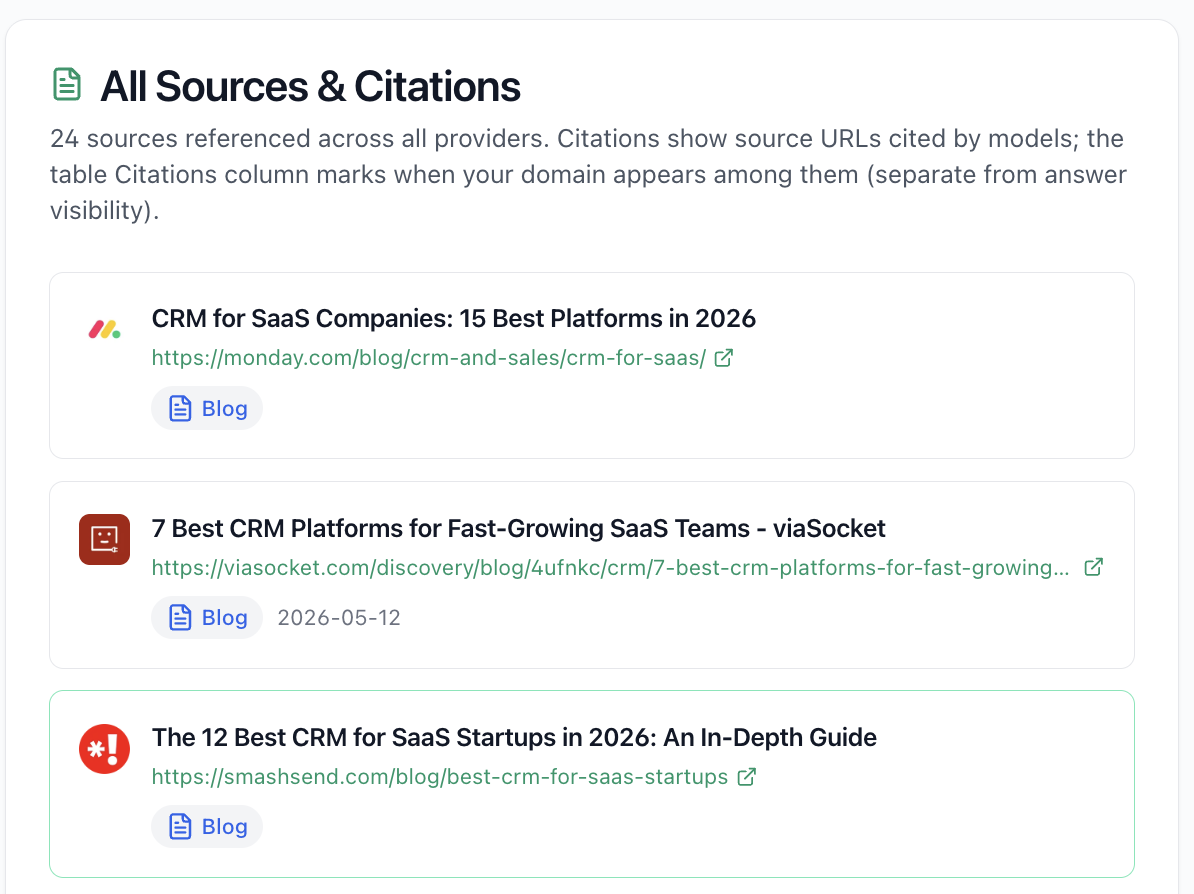
Identify the sources AI trusts
Find the domains and pages AI assistants use as evidence when they recommend products. Source identification shows which publications, comparison pages, partner sites, and owned pages influence answers in your market.
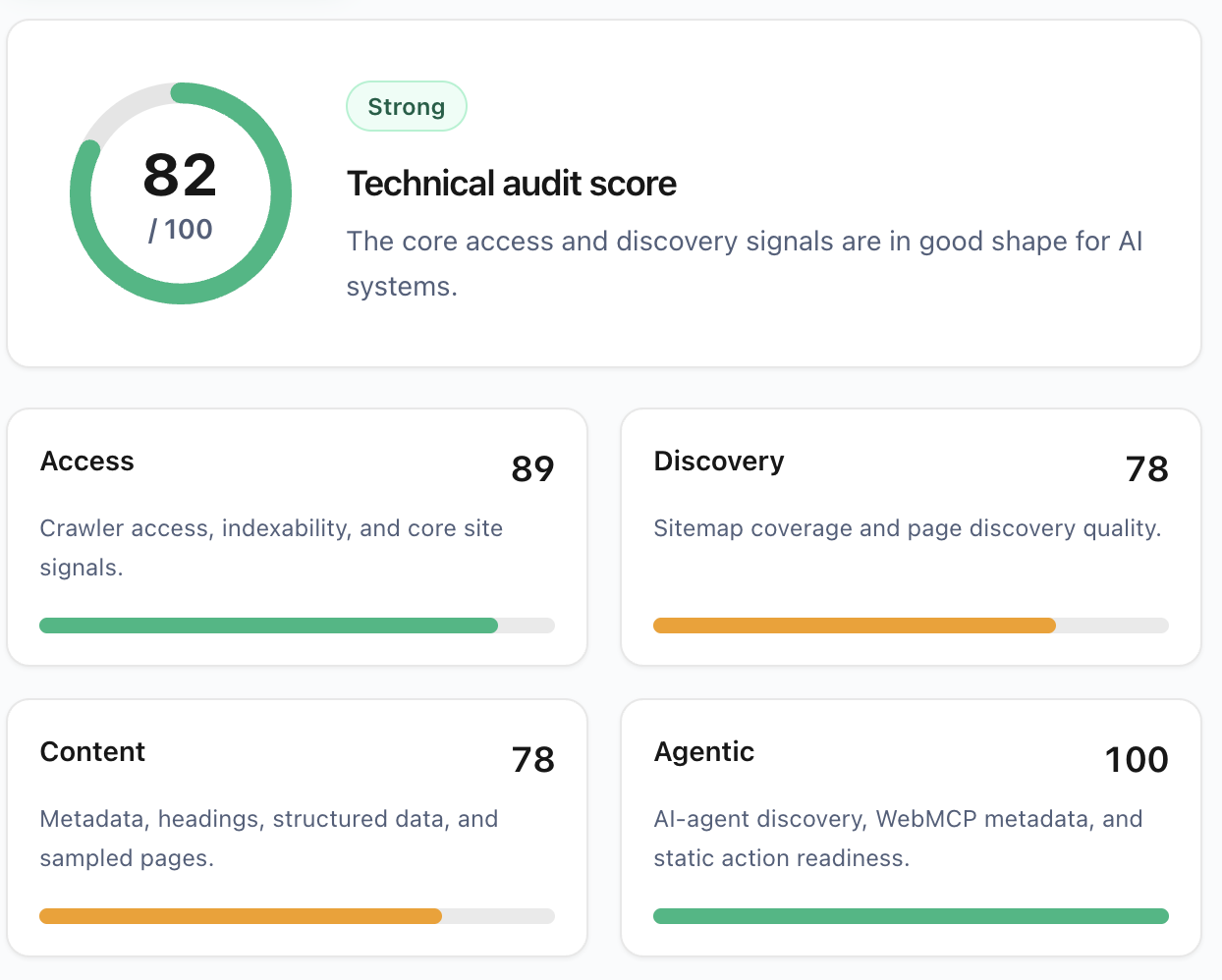
Run a Website AI Technical Audit
Run a Website AI Technical Audit to check robots.txt access, sitemap discovery, indexability, canonicals, structured data, AI bot policy, and content readiness. SEOforGPT turns the scan into prioritized fixes your team can work through.
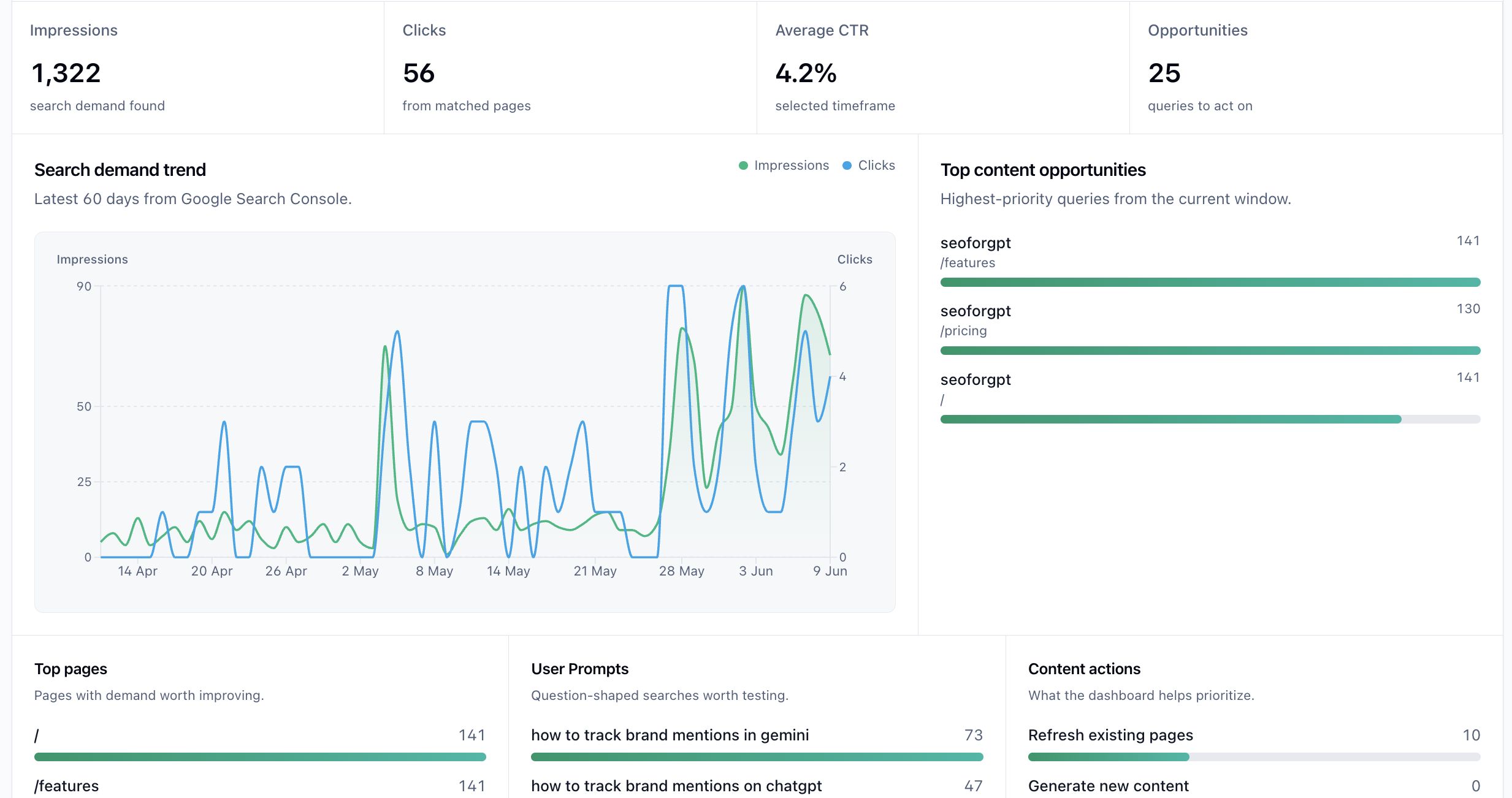
Find what buyers are starting to ask
Search demand shows rising questions and topic opportunities before you create content. Use it to decide what to publish from buyer interest and visibility gaps instead of guessing which article might matter.
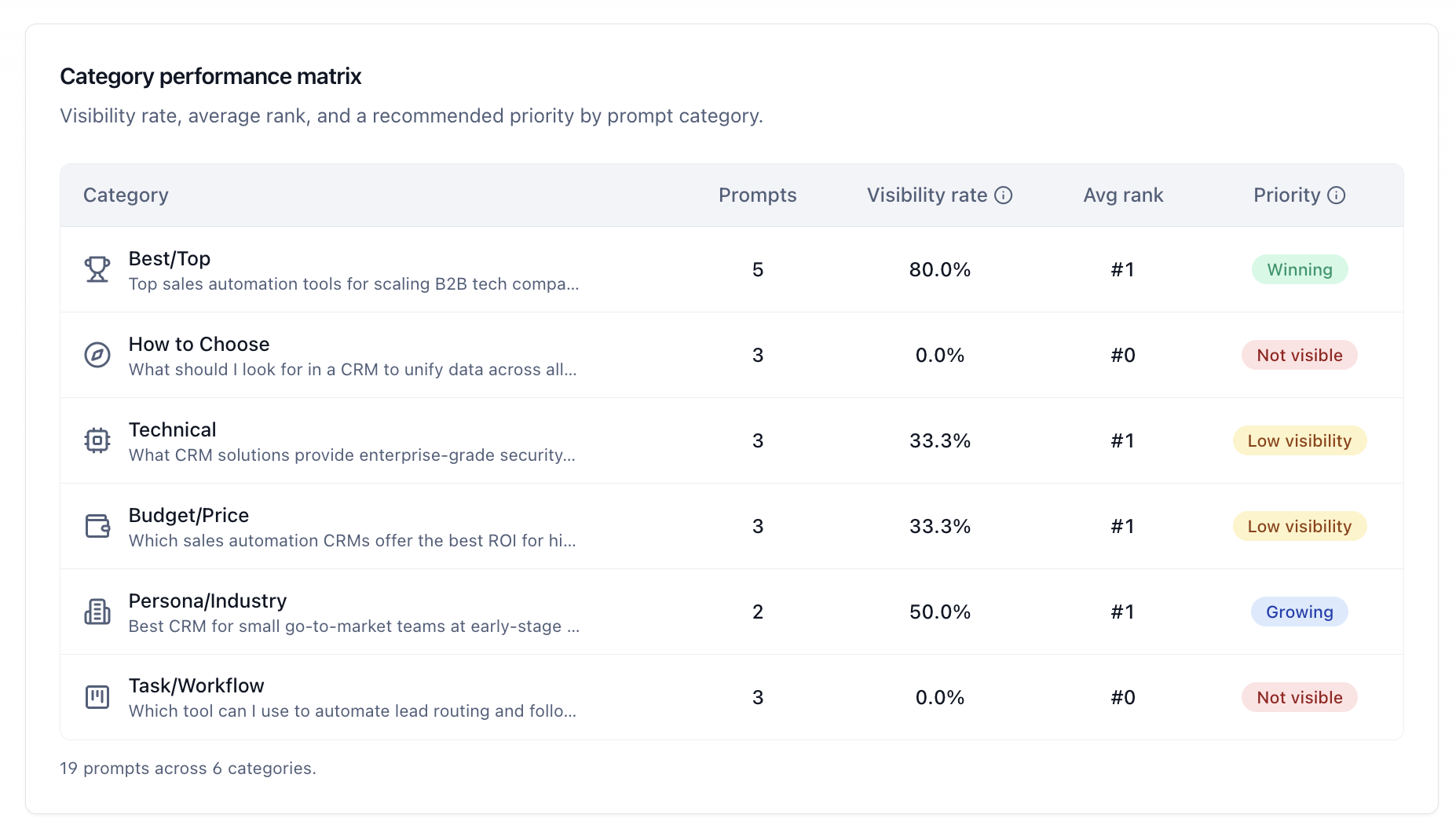
Prioritize categories by revenue impact
See which product categories, use cases, and buyer themes are winning or losing in AI answers. Focus your work where visibility is weak, competitors are strong, and the commercial upside is highest.
Turn website analysis into a content plan
SEOforGPT analyzes your website, product positioning, competitors, and missing proof points. The result is a content plan tied to the questions buyers ask AI and the gaps currently keeping you out of answers.
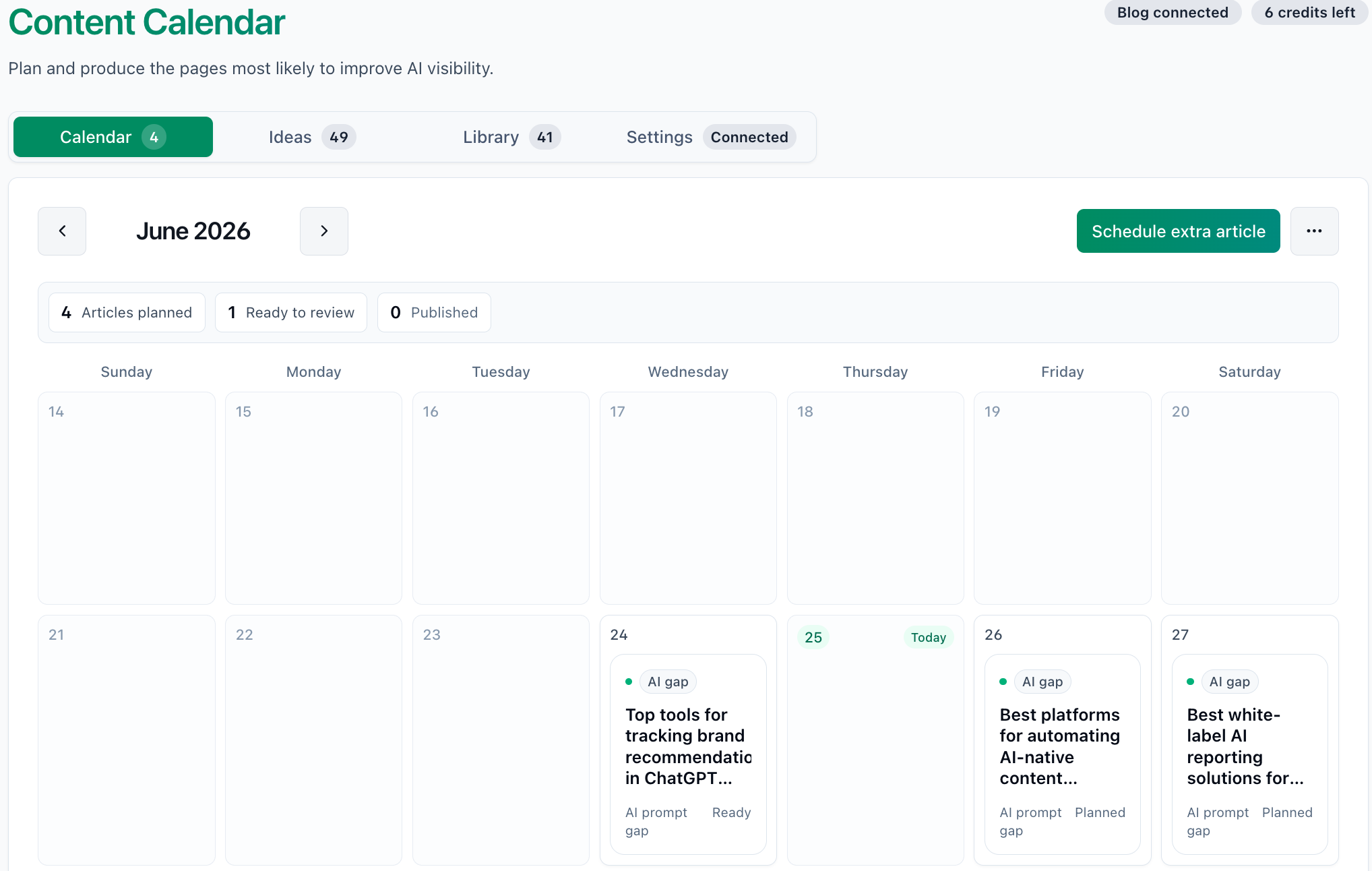
Create content AI can cite
Generate articles built for how AI systems read and reuse information: clear answers, specific claims, structured comparisons, and supporting sources. Each piece is tied to prompts, categories, and visibility gaps.
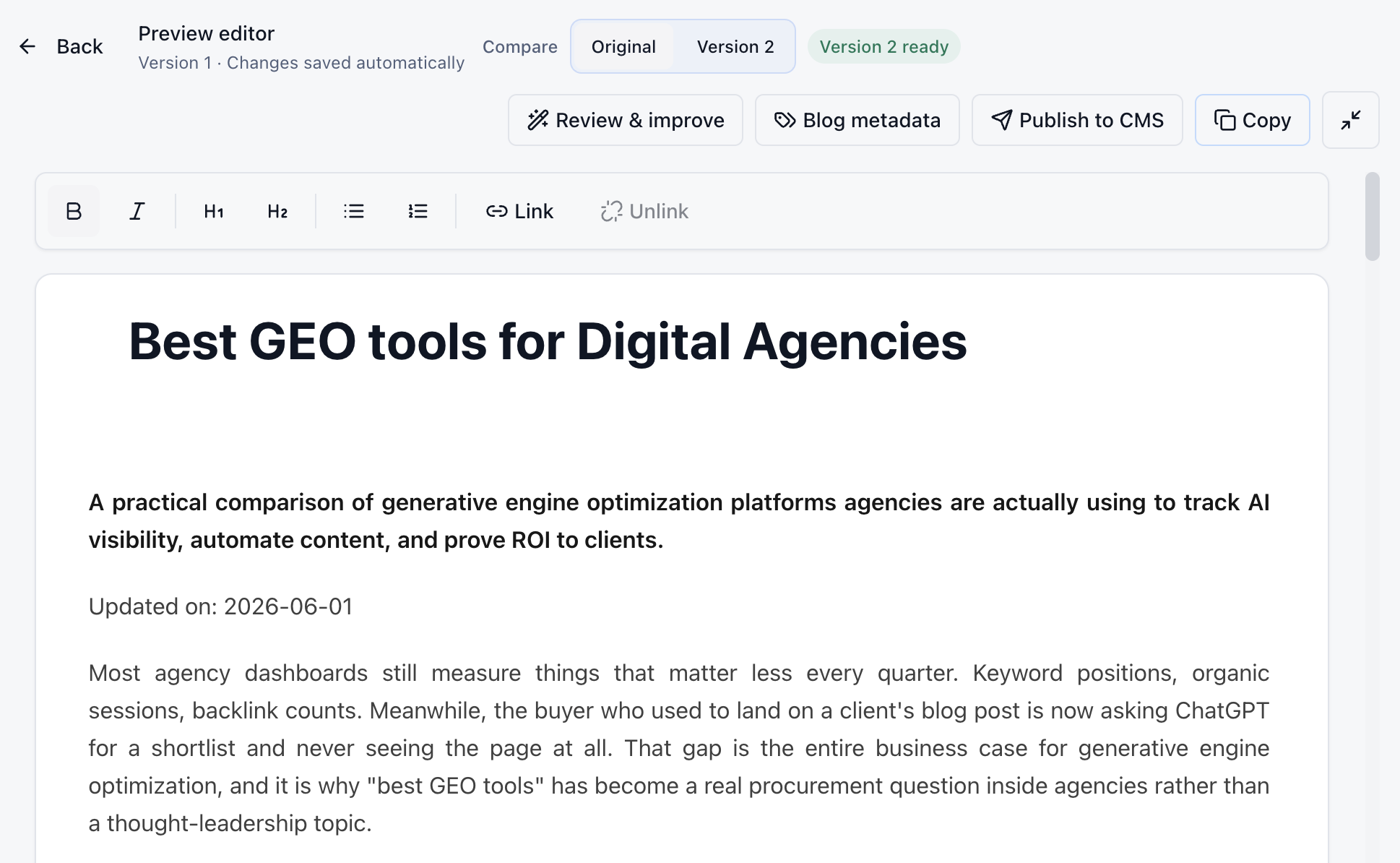
Publish without another blog workflow
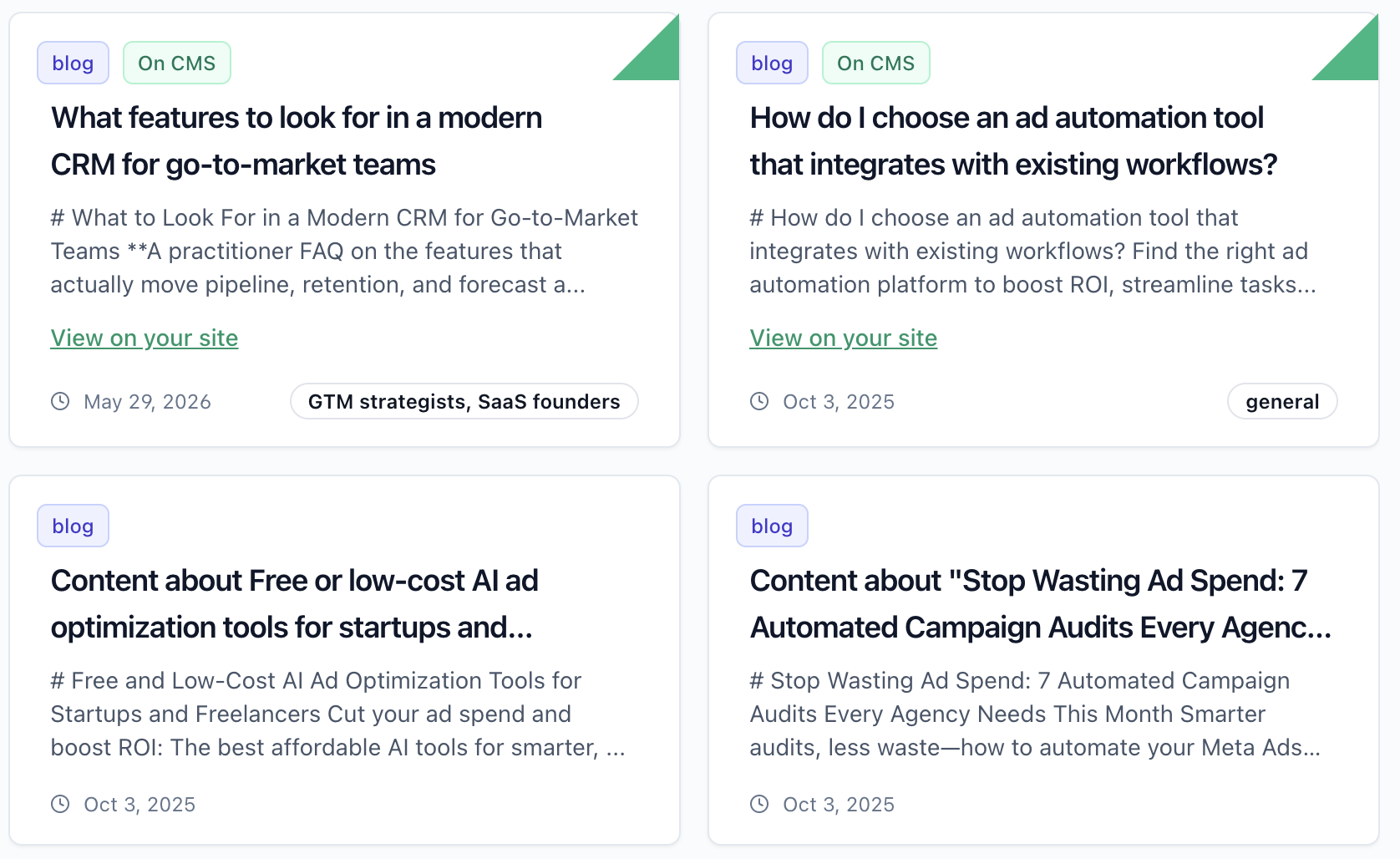
Connect WordPress, Webflow, Ghost, or Wix once. SEOforGPT can draft, schedule, and publish content into the blog you already use, so visibility work turns into shipped pages instead of another backlog.
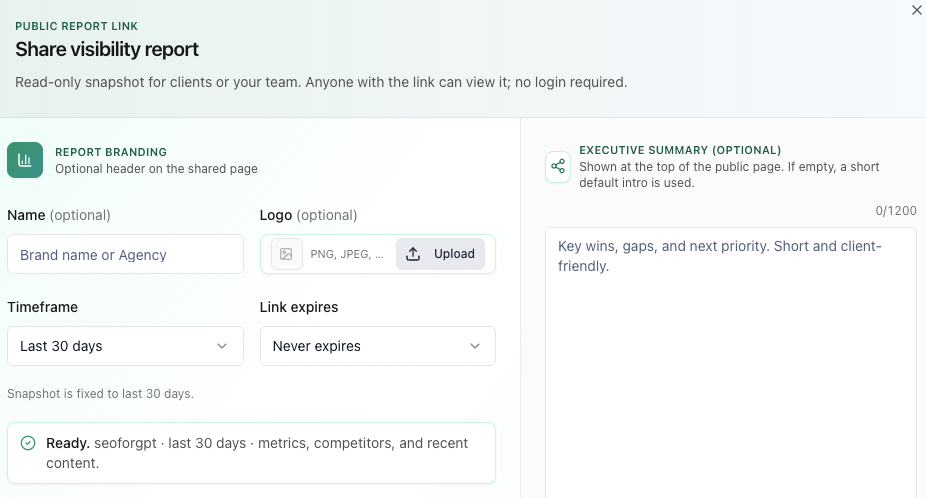
Client-ready and white-label reporting
Send a clean read-only report link without exposing the workspace. Brands can share progress with executives and teams. Agencies can send client-ready reports with visibility, wins, gaps, and trends.
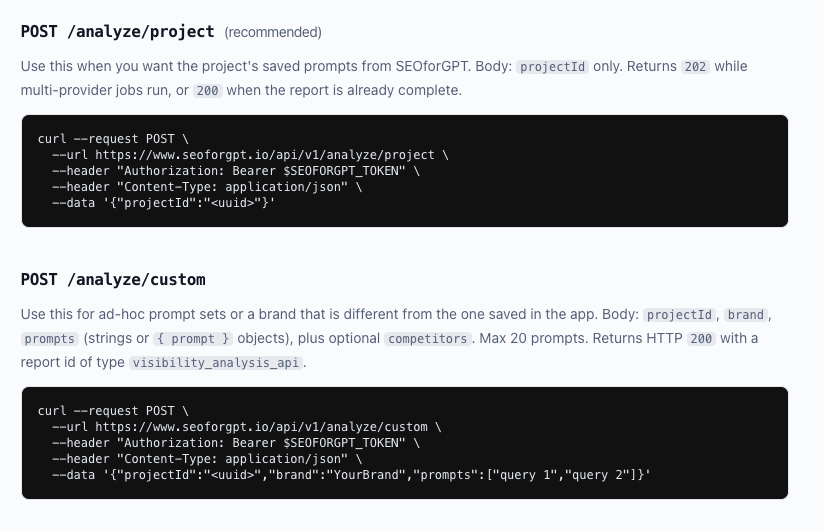
Built for teams that want to go further
Connect SEOforGPT to Claude, Cursor, or any MCP-compatible AI tool. Or use our API to pull visibility data into your own dashboards, CI pipelines, or reporting stack. Plug SEOforGPT into wherever your team already works.
Product capability matrix
What you can do with SEOforGPT
Use this matrix to understand the work SEOforGPT supports across measurement, research, website analysis, content execution, reporting, and developer workflows.
Availability and limits vary by plan. Pricing is the source of truth for access.
| Capability | What you can do | Learn more |
|---|---|---|
| AI visibility tracking | Tests defined buyer prompts across ChatGPT, Claude, Perplexity, and Gemini, with answer-level evidence for brand appearance, rank, competitors, and citations. | Learn about visibility tracking |
| Competitor intelligence | Compares competitor appearances and visibility movement across monitored prompts, models, and categories while keeping the underlying answers available for review. | Learn about competitor intelligence |
| Citation and source intelligence | Connects cited pages and domains to the prompt, model, and answer in which each source appeared. | Learn about citation tracking |
| Website AI readiness audit | Checks crawler access, discovery, indexability, canonicals, structured data, AI bot policy, and content readiness, then prioritizes the findings. | Learn about readiness audits |
| Google Search Console integration | Connects Google Search Console with read-only access to analyze queries, pages, demand trends, and content opportunities alongside AI visibility data. | Learn about search-led planning |
| AI crawler and referral analytics | Tracks known AI crawler visits, AI referral traffic, discovered pages, access issues, and activity trends through a connected Cloudflare Worker or WordPress plugin. | Learn about crawler readiness |
| Content planning and publishing | Turns search demand, site analysis, visibility gaps, competitor movement, and citation patterns into reviewable calendar work, drafts, and supported CMS publishing. | Learn about content workflows |
| AI Visibility Agents | Specialist agents surface monitoring changes and prepare content, Reddit, or outreach work while keeping external actions under human review. | Learn about agent workflows |
| White-label reporting | Creates branded, read-only client reporting from approved AI visibility evidence for agency delivery. | Learn about white-label reporting |
| Public API and hosted MCP | Provides authenticated API and MCP access to project context, analyses, report data, and content workflows. | Learn about developer access |
Questions buyers ask before choosing an AI visibility platform
What brand and agency owners want to know
Direct answers about using SEOforGPT to measure AI visibility, decide what to do next, and turn the work into a repeatable growth program.
For brand owners
Questions from leaders responsible for demand, category visibility, content, and reporting.
For agency owners
Questions from agencies turning AI visibility into a service clients can understand and buy.
We use cookies to enhance your experience, analyse site traffic and measure advertising. Read our Cookie Policy